
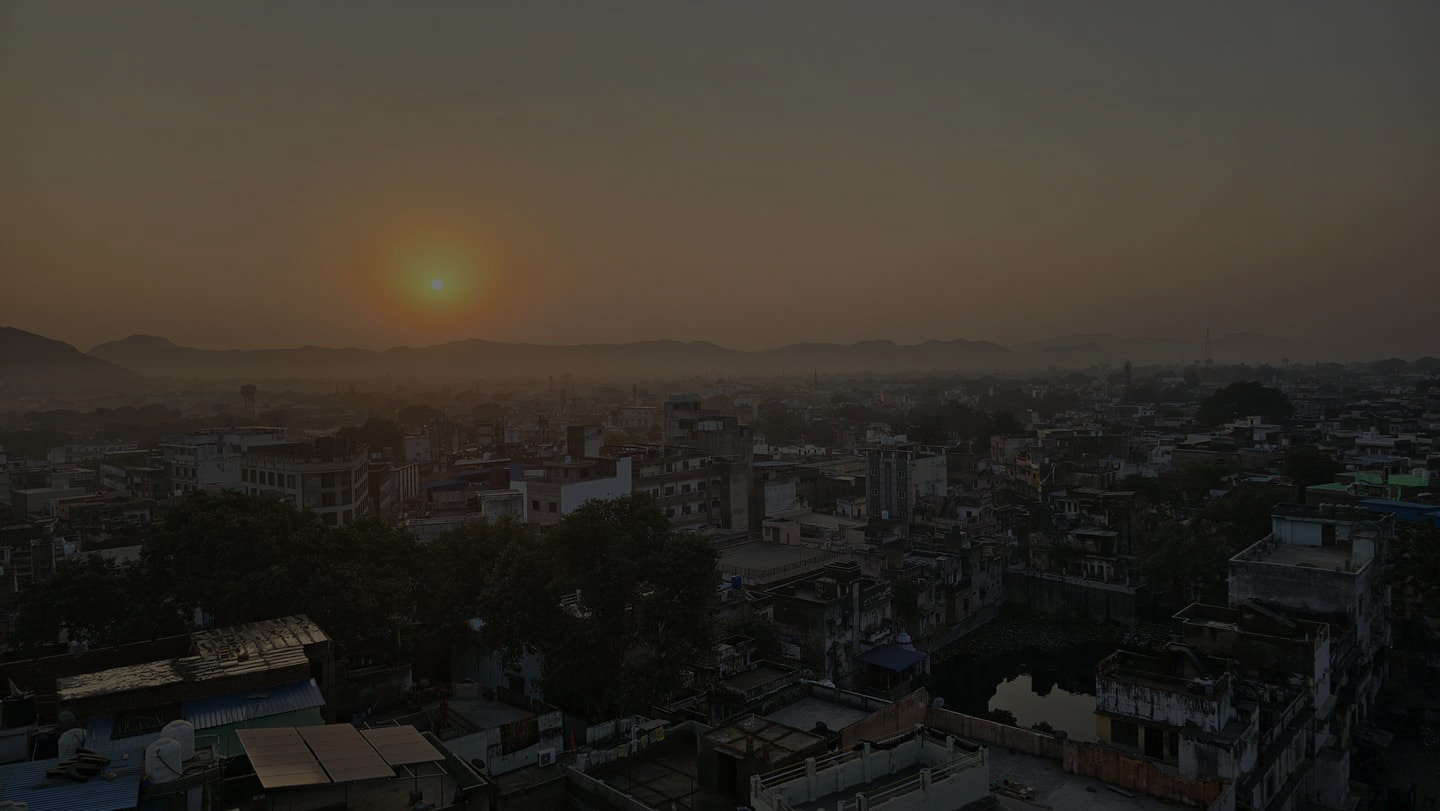
Introduction
The Ajmer Sharif Dargah is the sacred resting place of Hazrat Khwaja Moinuddin Chishti, the 13th-century Sufi saint lovingly known as Garib Nawaz (the Benefactor of the Poor). Revered across the world, he devoted his entire life to spreading the universal values of love, compassion, equality, and service to humanity, welcoming people from every caste, creed, and religion.
After the saint’s passing in 1236 CE, a simple mausoleum was built over his blessed grave. Over the centuries, this humble tomb evolved into one of India’s most important and beloved Sufi sanctuaries. The Dargah today showcases a remarkable blend of history, devotion, and art.
The shrine features stunning Indo-Islamic architecture, with its iconic white-marble dome, elegant arches, and intricately carved gateways added during various periods of Mughal patronage. The complex includes the main mausoleum, multiple prayer halls, courtyards, and beautifully crafted entrances such as the Buland Darwaza, each structure adding to the Dargah’s spiritual and architectural grandeur.
Spiritual & Cultural Significance
Ajmer Sharif is a symbol of universal faith and unity. For more than eight centuries, pilgrims of every religion and nationality have come here seeking:
- Peace and spiritual healing
- Blessings and fulfillment of heartfelt wishes
- Guidance, comfort, and inner strength
The Dargah stands as a living reminder of Khwaja Garib Nawaz’s message of tolerance, compassion, and humanity—values that rise above all divisions. Many devotees believe that prayers offered here with sincerity bring deep spiritual tranquility and divine grace.
Ajmer Sharif welcomes every visitor with love and respect. Modest attire and calm behavior are encouraged to maintain the sanctity of this holy place.
Historical Structures of Ajmer Sharif Dargah
The Ajmer Sharif Dargah is not only a spiritual sanctuary but also a magnificent heritage complex shaped by centuries of devotion. Around the blessed tomb of Khwaja Garib Nawaz stand a series of historic gateways, mosques, halls, and courtyards created by emperors, nobles, and countless devotees who wished to honor the saint.
Each structure — from towering entrances to serene prayer halls — reflects the art, culture, and architectural beauty of its time. Together, they form a sacred environment that carries the stories of faith, generosity, and spiritual dedication across generations.
Dargah Timings
| Time (Winter/Summer) | Ritual | Description |
|---|---|---|
| 5 AM / 4 AM | Morning Khidmat | The main tomb opens with Azaan; khadims clean the mazar and offer fresh flowers before Fajr (khadims only inside). |
| 3-4 PM | Afternoon Khidmat | Pilgrims enter; khadims recite Fateha, apply sandalwood (distributed as tabarruk). |
| ~6 PM (before Maghrib) | Roshni Dua | Khadims light candles in lamps at tomb corners with dhol music and Persian couplets. |
| After Isha (~9 PM) | Karka (Closing) | Visitors leave; khadims clean, perform closing chorus, lock gates. |
Below is the detailed history of every major landmark within the Dargah complex, offering visitors a deeper understanding of the beauty, legacy, and profound significance of this holy sanctuary.
Buland Darwaza — The Grand Gateway of Faith
Standing tall at the entrance of the Ajmer Sharif Dargah , the Buland Darwaza —meaning “Gate of Magnificence” —is more than a doorway of stone; it is a threshold between the worldly and the divine . Majestic, towering, and adorned with intricate calligraphy, it has long symbolized the reverence that envelops the resting place of Hazrat Khwaja Moinuddin Hasan Chishti (RA) — the Gharib Nawaz , benefactor of humanity.
Historical Origins & Royal Patronage
The origins of Buland Darwaza reflect the spiritual devotion and architectural grandeur of medieval India.
Some traditions trace its construction to Sultan Mahmud Khalji of the Malwa Sultanate in the 15th century, while others record its embellishment under Emperor Akbar in 1571 CE , during his reign of enlightenment and religious tolerance.
Akbar, who frequently visited Ajmer on pilgrimage, is said to have ordered the magnificent elevation and expansion of this gate — transforming it into a symbol of royal devotion to Khwaja Gharib Nawaz (RA). Through centuries of restoration and reverence, the Buland Darwaza has remained the main ceremonial entrance to the Dargah complex, greeting millions of pilgrims with the majesty of faith.
Architectural Grandeur
Rising nearly 75 to 85 feet high , the Buland Darwaza is an exquisite example of Indo-Islamic architecture , blending Persian grace with Indian artistry.
Constructed primarily from red sandstone and marble , its façade glows in hues of amber and rose under the Ajmer sun. Delicately carved chhatris (domed kiosks), geometric jaalis , and inscriptions of sacred verses adorn its surface — each an offering of devotion in stone.
Every element of its design holds meaning:
The soaring height represents spiritual elevation.
The arched gateway symbolizes openness and divine welcome.
The carved calligraphy reflects the remembrance of Allah and the beauty of sacred expression.
As one stands before it, the Buland Darwaza appears both majestic and humble , a paradox that mirrors the essence of the Sufi path — victory through submission, glory through service.
Spiritual Symbolism & Urs Traditions
For devotees, passing through this gate marks the moment one leaves the world behind and steps into the court of Khwaja Gharib Nawaz (RA) .
It is through this very gate that millions of pilgrims enter the holy precinct each year, hearts filled with prayers and gratitude.
The Buland Darwaza plays a central role during the annual Urs Sharif , commemorating the union of Khwaja Sahib with the Divine. On the eve of Urs , the sacred Urs Flag is ceremoniously hoisted atop the Buland Darwaza , signifying the opening of the six-day celebrations. This moment, accompanied by drums, qawwalis, and chants , is deeply symbolic — a declaration that the doors of mercy are once again open for all of humanity.
It is also believed that stepping through the Buland Darwaza with a sincere heart brings spiritual elevation and blessings, purifying the soul for the pilgrimage ahead.
A Living Heritage
Beyond its architectural splendor, Buland Darwaza is a living monument of India’s composite culture — where emperors bowed before saints, and faith transcended all divisions. For centuries, it has witnessed the footsteps of kings, mystics, scholars, and seekers — all drawn to the fragrance of Khwaja Sahib’s love.
Even today, as one gazes upon its grand arches and intricate stonework, there is a palpable sense of continuity — of a devotion that began eight centuries ago and still beats in the heart of Ajmer .
Essence of the Gate
“Crossing the Buland Darwaza is not merely an entrance — it is a surrender. One leaves behind pride, ego, and worldly weight, And walks into the presence of mercy, love, and eternal peace.”
Visitor Note
Pilgrims visiting Ajmer Sharif begin their spiritual journey from here — stepping through the Buland Darwaza before proceeding toward the Nizam Gate , Shahjahani Gate , and finally the sanctum of Khwaja Gharib Nawaz (RA) .
For inquiries, offerings, or spiritual sponsorships, devotees may reach out through:
Mashrabe Chisht Trust — serving the mission of Khwaja Sahib with dedication and love.
Buland Darwaza remains not just a masterpiece of architecture, but a testament to centuries of faith, humility, and universal brotherhood — a gate that welcomes the world into the light of Ajmer.
Nizam Gate — The Royal Gift of Hyderabad
Among the many majestic entrances that lead to the blessed precincts of Ajmer Sharif Dargah , the Nizam Gate stands as a radiant emblem of royal devotion and enduring reverence. Donated in 1911 by His Exalted Highness Mir Osman Ali Khan , the 7th Nizam of Hyderabad, this magnificent gateway is not just an architectural marvel — it is a spiritual offering from a monarch whose heart bowed in humility before Khwaja Gharib Nawaz (RA) .
The Nizam Gate, with its vibrant golden-yellow façade , delicate floral engravings, and elegant Arabic inscriptions, reflects the artistic harmony of Indo-Islamic design and the spiritual majesty of Mughal grace. Each motif, each calligraphic curve seems to breathe the language of faith and generosity. The gate was envisioned not merely as a passage of entry, but as a threshold between the temporal and the eternal — where royal grandeur meets divine simplicity.
As pilgrims from every corner of the world step through this exalted gateway, they are greeted not only by its beauty but by the deep sense of sanctity that pervades it. It is said that the journey of the soul toward Khwaja Baba’s presence begins at this very point — where worldly pride falls silent, and hearts awaken to remembrance.
A Royal Tradition that Lives On
The relationship between the Dargah of Ajmer and the royal house of Hyderabad runs deeper than history — it is a bond of love, faith, and service. For over a century, the Nizam’s family has preserved a sacred custom: during the annual Urs Mubarak of Khwaja Moinuddin Chishti (RA) , the first Urs flag (Jhanda) is presented by the descendants of the Nizam.
This act, carried out with utmost reverence, signifies the unbroken chain of spiritual allegiance that continues to unite the royal legacy of Hyderabad with the spiritual sovereignty of Ajmer.
Architectural and Spiritual Harmony
The Nizam Gate marks the first of the three grand entrances leading into the Dargah complex — preceding the Shahjahani Gate and the historic Buland Darwaza . Together, these monumental arches form a sacred journey inward — from the grandeur of kings to the stillness of saints. The Nizam Gate, however, holds a distinct grace of its own.
It embodies royalty kneeling before spirituality , and generosity offering itself to love. Beyond its physical elegance, the gate stands as a living reminder of unity , welcoming people of every faith, culture, and class to share in the divine mercy of Khwaja Gharib Nawaz (RA) .
Even today, as thousands cross its gilded arch daily, the Nizam Gate continues to echo the essence of the Chishti message — service, love, and equality before God . It stands as both a royal guardian and a humble host, silently narrating the story of kings who served saints, and saints who embraced all humanity.
A Gate That Leads to Grace
To step beneath the Nizam Gate is to walk where faith met royalty — where the golden hands of devotion built a door that opens not only to the Dargah, but to the heart of Khwaja Gharib Nawaz (RA) himself.
Here, every soul — noble or needy — enters as a seeker, and leaves as a beloved.
Shahjahani Gate — The Emperor’s Offering of Devotion
Standing gracefully between the Nizam Gate and the Buland Darwaza , the Shahjahani Gate is a masterpiece of Mughal devotion and imperial artistry. Commissioned by Emperor Shah Jahan , the visionary builder of the Taj Mahal, this elegant gateway mirrors his unmatched sense of beauty — yet here, that beauty serves not worldly love, but divine reverence for Khwaja Gharib Nawaz (RA) .
The Shahjahani Gate stands as a symbol of regal humility , a creation born not of conquest but of submission — an emperor bowing before a saint. With its intricate floral motifs, refined marble detailing, and perfect symmetry, the gate embodies the serene majesty that defined the golden age of Mughal architecture. Every curve and carving whispers the Emperor’s devotion, transforming stone into silent dhikr (remembrance).
A Jewel of Mughal Grace
The gate’s design harmoniously blends white marble and red sandstone , echoing the architectural vocabulary of Shah Jahan’s masterpieces. The balance of geometry and grace evokes the Mughal pursuit of perfection — where faith and art coexist as one. Passing beneath its arch, visitors feel a subtle transition: from the bustle of the outer courtyard into the serene sanctum of spiritual reflection.
Its proportions, delicately poised, invite the pilgrim to move not just physically but spiritually — from the noise of the world into the calm of Khwaja Sahib’s divine presence.
Historical and Devotional Legacy
Built during the 17th century, the Shahjahani Gate reflects the deep bond between the Mughal dynasty and the Chishtiya Order . Following the devotion of Emperor Akbar and Jahangir, Shah Jahan too sought blessings from the great saint of Ajmer, offering this splendid gateway as an act of love and reverence.
In doing so, he enshrined within stone the enduring tradition of rulers seeking the prayers of saints — a reminder that true sovereignty lies in servitude before the beloved of Allah. The Shahjahani Gate thus became both a gift of an emperor and a tribute to humility , bridging royal legacy and Sufi spirituality.
A Threshold of Tranquility
For pilgrims today, the Shahjahani Gate forms the serene midpoint in the sacred journey toward the inner sanctum. Entering first through the Nizam Gate , then this gate, and finally through the Buland Darwaza , the seeker moves progressively inward — body, mind, and soul — toward divine proximity.
During Urs Mubarak , thousands flow through this graceful passage, their chants and prayers filling the air, reviving centuries of devotion that this gate has silently witnessed. It remains not merely a structure of marble and stone, but a living symbol of how faith refines art and art ennobles faith.
The Emperor Who Bowed Before the Saint
In the Shahjahani Gate , one sees the rare moment when imperial grandeur bends before spiritual greatness. It reminds every visitor that the truest beauty is not in what is built, but in the heart that builds in remembrance of God .
Here, faith meets artistry, royalty meets humility — and every soul that passes through becomes part of the eternal story of love that defines Ajmer Sharif .
Akbari Mosque — Emperor Akbar’s Prayer of Gratitude
Gracefully poised within the sacred precincts of Ajmer Sharif Dargah , the Akbari Mosque stands as one of the most cherished monuments of Mughal devotion — a divine offering from the heart of an emperor to the soul of a saint. Commissioned by Emperor Akbar in 1570–1571 CE , this magnificent mosque was built as an act of gratitude after his heartfelt prayers at the shrine of Khwaja Gharib Nawaz (RA) were answered with the birth of his long-awaited son, Prince Salim , later known as Emperor Jahangir.
In this gesture, Akbar immortalized his reverence for the great saint and forever bound the spiritual destiny of the Mughal Empire to the luminous blessings of Ajmer Sharif.
A Masterpiece of Mughal Grace
Constructed primarily of red sandstone , accentuated with delicate layers of green and white marble , the Akbari Mosque harmonizes the strength of imperial architecture with the serenity of spiritual devotion. Measuring approximately 140 by 140 feet , the mosque’s façade is defined by a majestic pishtaq (arched entrance) soaring nearly 56 feet high , leading into a vast courtyard where the faithful gather in quiet prayer.
The intricate floral motifs , Arabic inscriptions , and geometric marble inlays that adorn its walls reflect the refined artistry of the Mughal ateliers of Fatehpur Sikri and Agra, yet the mosque’s soul remains uniquely Ajmeri — infused with humility, peace, and the sacred fragrance of Chishti love.
Flanked by modest minarets and crowned with graceful arches, it stands not merely as a place of worship, but as an architectural dua — a prayer carved in stone.
Historical and Spiritual Significance
For Emperor Akbar, who often visited Ajmer Sharif on foot from Agra and Delhi, the dargah was more than a shrine — it was the beating heart of his faith. His devotion to Khwaja Moinuddin Chishti (RA) reflected the Mughal belief that worldly power was incomplete without spiritual guidance.
Upon receiving the blessing of an heir after years of longing, Akbar vowed to enshrine his gratitude through a monument that would serve generations of worshippers. The result was this exquisite mosque — a physical embodiment of thankfulness, humility, and divine grace .
Its creation marked the deep spiritual connection between the Chishti saints and the Mughal dynasty, who saw in Ajmer not just a place of pilgrimage but a symbol of unity, compassion, and the spiritual heartbeat of India.
A Living Centre of Faith and Learning
Beyond its architectural elegance, the Akbari Mosque continues to serve as a vibrant center of prayer and education. Within its serene compound lies the esteemed Moinia Usmania Darul-Uloom , one of the region’s respected madrasas , where students study Arabic, Persian, and the sacred sciences — keeping alive the centuries-old tradition of learning associated with the Chishtiya order.
Historically, the courtyard featured a central ablution tank (hauz) , thoughtfully designed for wazoo before prayers. Even today, thousands of devotees perform salah here daily, finding in its peaceful expanse a refuge for the soul amid the spiritual hum of Ajmer Sharif.
A Sacred Pause on the Pilgrim’s Path
Located between the Shahjahani Gate and the Buland Darwaza , the Akbari Mosque forms a vital waypoint in the pilgrim’s journey toward the saint’s resting place. It offers a moment of stillness — a sacred pause to purify the heart before stepping into the deeper sanctum of divine proximity.
During Urs Mubarak , the mosque resonates with the collective rhythm of devotion, as pilgrims from across the world bow their heads in remembrance of Khwaja Gharib Nawaz (RA) and in gratitude to the emperor who enshrined his love in enduring stone.
Where Royal Power Meets Spiritual Peace
The Akbari Mosque remains one of the most profound symbols of how faith transcends throne and time. In its arches echo both the power of an empire and the humility of a seeker.
It is here that Emperor Akbar’s earthly grandeur meets the eternal serenity of Khwaja Gharib Nawaz (RA) — a meeting of crown and cloak, power and prayer — forever etched in the living soul of Ajmer Sharif .
Shahjahani Masjid (Shah Jahan’s Mosque) – The Marble Jewel of Ajmer Sharif
Amid the sanctified precincts of the Ajmer Sharif Dargah stands the resplendent Shahjahani Masjid , a masterpiece of Mughal architecture and a symbol of spiritual devotion. Built in the 17th century by the great Mughal emperor Shah Jahan , this mosque mirrors the same poetic grandeur that gave the world the Taj Mahal — yet here, its marble brilliance finds expression not in royal love, but in divine reverence.
A Monument of Devotion and Imperial Grace
Commissioned around 1637 AD (some records cite 1640 AD), the mosque was constructed as a sacred offering of gratitude by Emperor Shah Jahan. Historical accounts suggest that after triumphing over the Rana of Mewar for the second time, the emperor, attributing his victory to divine favour through the blessings of Khwaja Moinuddin Chishti , vowed to erect this exquisite mosque within the saint’s hallowed sanctuary.
Through this gesture, Shah Jahan not only immortalized his devotion but also continued the Mughal legacy of deep spiritual association with the Chishti Order . Just as his predecessors Akbar and Jahangir had offered their tributes, Shah Jahan chose marble over sandstone — a deliberate evolution that reflected the refinement of Mughal art and the luminous purity of faith.
Architectural Magnificence
Crafted entirely from gleaming Makrana white marble , the Shahjahani Masjid radiates a timeless serenity. Stretching approximately 45 meters (147 feet) in length, its façade is lined with eleven majestic arches , each carved with precision and crowned with domes that rise like gentle ripples of light.
The structure harmoniously blends Persian aesthetics with Mughal craftsmanship — its balanced proportions, elegant pillars, and intricate floral motifs demonstrating the artistic zenith of Shah Jahan’s reign. Inside, slender columns divide the prayer hall into three graceful bays, where fine mosaics , delicate inlays , and arabesque patterns embellish every surface.
The walls are adorned with Persian inscriptions featuring 33 Qur’anic verses and the 99 beautiful names of Allah , transforming the interior into a sanctuary of sacred calligraphy. The Mihrab (prayer niche) and Mimbar (pulpit) are sculpted from the same luminous marble, reflecting both craftsmanship and spiritual sanctity.
A Sacred Centre of Congregation
Functioning as the Jami Masjid of the Dargah Sharif, the Shahjahani Mosque remains the principal site for daily and Friday congregational prayers. During Urs celebrations and special occasions, its spacious marble courtyard overflows with thousands of devotees, their voices resonating in unison — a living testament to the inclusive and harmonious spirit that defines Ajmer Sharif.
From within the mosque, devotees are said to catch a glimpse of the blessed tomb of Khwaja Moinuddin Chishti , enhancing its sanctity as a place where prayer, reflection, and divine connection converge.
Spiritual and Cultural Legacy
Beyond its architectural splendour, the Shahjahani Masjid stands as a symbol of the Mughal emperors’ deep reverence for Sufism and their commitment to the message of love, service, and unity taught by Khwaja Gharib Nawaz . It embodies the meeting of empire and eternity — where royal grandeur bows before spiritual humility.
Its marble still gleams with a quiet luminescence, whispering stories of emperors who sought peace in the presence of a saint, and of pilgrims who continue to find solace within its tranquil arches.
Context within the Dargah Complex
Strategically situated between the Nizam Gate and the Buland Darwaza , the mosque anchors the pilgrimage route of Ajmer Sharif. It stands near other imperial endowments — the Shahjahani Gate , the Begumi Dalaan (built by Princess Jahanara Begum), and the colossal cauldrons (Degs) offered by Akbar and Jahangir.
Together, these monuments narrate a saga of royal devotion and spiritual continuity — where art, architecture, and faith merge in sublime harmony.
Sandali Masjid – The Humble Grace of Aurangzeb’s Devotion
Tucked within the sacred expanse of the Ajmer Sharif Dargah , the Sandali Masjid stands as a quiet testament to Emperor Aurangzeb’s devotion and the enduring Mughal reverence for Khwaja Moinuddin Chishti . While Akbar and Shah Jahan had expressed their faith through grand architectural marvels, Aurangzeb’s offering to the saint was marked by simplicity, sincerity, and spiritual focus — qualities that defined both his reign and his personal piety.
A Mosque of Modesty and Meaning
Built during the latter half of the 17th century, the Sandali Masjid represents the final chapter of Mughal architectural patronage within the Dargah complex. Its name, “Sandali,” is believed to derive from sandal — the fragrant paste used in rituals to anoint the blessed tomb of Khwaja Gharib Nawaz. This connection to sandal symbolizes purity and devotion, tying the mosque directly to one of the shrine’s most sacred traditions.
Situated on the southern side of the complex, near the revered Chilla Baba Farid — the meditation cell where Hazrat Baba Farid Ganjshakar performed a forty-day spiritual retreat ( chilla ) — the Sandali Masjid occupies a spiritually charged location within Ajmer Sharif’s layered sanctity.
Architectural Simplicity with Spiritual Depth
In contrast to the ornate white marble of Shah Jahan’s mosque, the Sandali Masjid reflects Aurangzeb’s restrained aesthetic . Built using white marble, brick, and sandstone , it exudes balance and harmony without excess. The structure is crowned with a modest marble dome , standing as an emblem of serenity rather than grandeur.
The mosque’s design blends seamlessly with its surroundings, complementing the rhythm of the larger complex. Its proportional geometry, unembellished surfaces, and clean arches echo the emperor’s preference for disciplined elegance — an architecture that speaks more through humility than opulence.
A Living Centre of Devotion and Service
Beyond its function as a place of prayer, the Sandali Masjid is intimately tied to the Langar Khana (community kitchen) and Mahfil Khana (assembly hall for Qawwals) — structures historically associated with Aurangzeb’s contributions to the shrine. This triad of worship, service, and music beautifully encapsulates the spiritual essence of Ajmer Sharif, where devotion manifests not only in prayer but also in feeding the hungry and celebrating divine love through song.
During Urs and major gatherings, the area surrounding the mosque becomes alive with activity — the fragrance of sandalwood, the rhythm of Qawwali, and the heartfelt supplications of thousands of devotees merging into one sacred atmosphere.
Legacy within the Dargah Complex
The Sandali Masjid completes the Mughal trilogy of mosques within Ajmer Sharif — following Akbar’s red sandstone Akbari Masjid and Shah Jahan’s marble Shahjahani Masjid . Together, they form a continuum of faith across generations of Mughal emperors who sought nearness to Khwaja Moinuddin Chishti.
Its understated architecture reflects Aurangzeb’s spiritual austerity , yet its enduring presence ensures his deep reverence for the saint remains enshrined in marble and memory.
A Quiet Jewel of Faith
Today, the Sandali Masjid continues to serve as a living place of prayer and reflection. Though smaller than its predecessors, its beauty lies in its humility — a reminder that divine closeness is not measured by grandeur, but by sincerity of heart. For pilgrims passing through the sacred courtyards of Ajmer Sharif, this serene mosque stands as a gentle pause — a space to breathe, to bow, and to remember.
Awliya (Auliya) Masjid – The Humble Sanctuary of the Saints
The Awliya Masjid —also known as the Auliya Masjid —is one of the most spiritually charged yet architecturally modest sanctuaries within the sacred precincts of Ajmer Sharif Dargah . Despite its simplicity, it holds profound historical and devotional importance, representing the earliest moments of Khwaja Moinuddin Chishti’s arrival in Ajmer and his enduring legacy of love, humility, and divine remembrance.
Historical Essence
Constructed in 1851 CE by Khan Bahadur Chaudhri Mohd. Bukhsh of Katihar , the Awliya Masjid marks the exact spot where Khwaja Gharib Nawaz is believed to have offered his first Salah (Namaz) upon setting foot in Ajmer. The mosque’s very foundation is thus intertwined with the saint’s spiritual beginning in the city—a site where divine light first touched the land that would soon become the heart of Chishti devotion in India.
Architectural Simplicity and Serenity
Built from white marble , the Awliya Masjid reflects quiet grace rather than grandeur. It consists of a single, narrow prayer line , accommodating approximately ten to fifteen devotees at once . This architectural restraint enhances its spiritual depth, creating a tranquil, meditative atmosphere far removed from the grandeur of Mughal edifices such as the Shahjahani or Akbari Mosques. The simplicity of its form mirrors the Chishti ideals of humility ( tawadu‘ ) and inner purity.
Spiritual Atmosphere and Purpose
True to its name— Awliya , meaning “Friends of Allah” or “Saints”—the mosque serves as a sanctuary of remembrance and prayer for the followers and disciples of Khwaja Sahib. It is primarily used for Namaz , recitation of the Holy Qur’an , and thanksgiving prayers , offering devotees a peaceful retreat within the vibrant spiritual life of the dargah. Pilgrims often visit the mosque seeking moments of solitude and reflection before entering the busier courtyards.
Place Within the Sacred Complex
Nestled harmoniously among the other monuments of Ajmer Sharif—such as the Nizam Gate, Sandali Masjid, and Buland Darwaza—the Awliya Masjid forms a quiet spiritual punctuation amid the continuous flow of pilgrims. While small in scale, it represents an immense spiritual landmark , commemorating where Khwaja Gharib Nawaz first turned his heart toward Allah in Ajmer—a moment that would ignite centuries of faith, love, and service.
A Symbol of Chishti Devotion
Today, the Awliya Masjid remains an active place of worship , a living memorial of the Chishti spirit that values simplicity over splendour, and humility over hierarchy. Every prayer offered here echoes the saint’s first supplication—a whisper of devotion that continues to resonate through the sacred courtyards of Ajmer Sharif.
The Mehfil Khana of Ajmer Sharif is a grand and culturally significant hall within the sacred dargah complex, dedicated to the spiritual tradition of Sufi devotional music . Known also as the Samakhana or Grand Auditorium, this hall serves as the central venue for Qawwali and Sama , the soulful musical expressions that form an integral part of the Chishti Sufi order. Its existence highlights the harmonious blend of royal patronage, spiritual devotion, and artistic excellence that defines the heritage of Ajmer Sharif.
Architectural and Spiritual Ambiance
The Mehfil Khana is designed as a large square hall, approximately 46 feet on each side, with a surrounding 14-feet-wide veranda. Its patterned ceilings feature intricate arabesque and geometric motifs , while elegant arches and columns create a serene yet majestic atmosphere. Marble flooring, spacious interiors, and a carefully balanced architectural style provide a sacred space that enhances both the aesthetic and spiritual experience for visitors. The hall’s design reflects the refined Indo-Islamic architecture that permeates the Dargah, blending grandeur with contemplative tranquility.
Historical and Cultural Significance
The current Mehfil Khana was constructed between 1888 and 1891 AD by Nawab Bashir-ud-Dowla Sir Asmaan Jah , the Prime Minister of Hyderabad Deccan, continuing the legacy of Mughal and noble patronage of the shrine. Earlier structures in the complex, including a hall commissioned by Shah Jahan in 1637, laid the foundation for institutionalizing devotional music at the Dargah. The Mehfil Khana has since remained the spiritual heart of the Urs festival , hosting six-day night-long Qawwali performances that draw devotees from across India and beyond. The hall not only celebrates the teachings of Khwaja Moinuddin Chishti but also provides a space for deep meditation, prayer, and reflection, reinforcing the inclusive and devotional ethos of the Chishti Silsila.
Role Within the Dargah Complex
Situated on the western side of the Sahan Chiragh courtyard, the Mehfil Khana complements the surrounding mosques and gates, including the Shahjahani and Sandali Mosques, Nizam Gate, and Buland Darwaza. During the Urs festival and other spiritual gatherings, the hall accommodates large audiences, including separate seating for women , emphasizing the Chishti tradition of inclusivity. The space resonates with spiritual energy, creating a profound connection between the divine and devotees, where the powerful blend of music, prayer, and poetry elevates the soul and deepens faith.
The Mehfil Khana stands as a living testament to the Chishti heritage , where devotional music, architectural elegance, and spiritual devotion converge, making it both a cultural jewel and a sacred sanctuary within the Ajmer Sharif Dargah complex.
Mehfil Khana (Assembly Hall)
The Mehfil Khana of Ajmer Sharif is a grand and spiritually vibrant hall within the sacred precincts of the Dargah complex, dedicated to the Chishti tradition of Sufi devotional music . Also known as the Samakhana or Grand Auditorium, this hall serves as the central venue for Qawwali and Sama —the mystical music performances that form an essential part of Sufi worship. Reflecting a seamless blend of royal patronage, architectural elegance, and spiritual devotion , Mehfil Khana stands as a cultural and spiritual jewel in the heart of Ajmer Sharif.
Architectural Grandeur
Constructed between 1888 and 1891 AD under the patronage of Nawab Bashir-ud-Dowla Sir Asmaan Jah , the Prime Minister of Hyderabad Deccan, the Mehfil Khana exemplifies refined Indo-Islamic architecture while harmonizing with the broader aesthetic of the Dargah complex. The hall is a large square structure, approximately 46 feet on each side, surrounded by a 14-feet-wide veranda. Its intricately patterned ceilings feature arabesque designs and geometric motifs , while elegant arches and columns lend the hall a majestic yet contemplative ambiance. Marble flooring, spacious interiors, and subtle architectural symmetry create a serene space that enhances both aesthetic appreciation and spiritual reflection.
Historical and Cultural Significance
The Mehfil Khana continues the tradition of integrating music and devotion into Chishti Sufi practice, a legacy initiated by earlier Mughal patrons such as Shah Jahan, who built a hall for Qawwali in 1637. Today, it serves as the spiritual heart of the Urs festival , hosting six-day night-long Qawwali sessions that draw devotees from across the world. The hall embodies the enduring reverence for Khwaja Moinuddin Chishti , allowing devotees to connect deeply through music, poetry, and prayer. Its design and use emphasize the inclusive nature of Chishti worship, with separate seating arrangements for women, making the spiritual experience accessible to all.
Spiritual and Pilgrimage Context
Situated near the western side of the Sahan Chiragh courtyard, Mehfil Khana complements the surrounding mosques, gates, and other iconic structures such as the Shahjahani Masjid, Sandali Masjid, Nizam Gate, and Buland Darwaza . During the Urs and other devotional gatherings, the hall becomes a focal point for spiritual energy, creating an intimate yet grand setting for meditation, prayer, and musical devotion. Visitors often describe the hall as a space where the blend of divine music and architectural beauty elevates the soul , reinforcing the teachings of love, service, and devotion central to the Chishti Silsila.
The Mehfil Khana remains a living testament to the spiritual and cultural heritage of Ajmer Sharif, where architectural elegance, royal patronage, and the Chishti Sufi tradition converge, creating an enduring sanctuary for devotion and artistic expression.
Begumi Dalaan (Ladies’ Portico)
The Begumi Dalaan of Ajmer Sharif is an exquisite and historically significant porch located on the eastern entrance of the Dargah complex. Constructed in 1643 AD by Princess Jahanara Begum , the eldest daughter of Emperor Shah Jahan and Mumtaz Mahal, this architectural gem reflects both royal patronage and spiritual devotion . Princess Jahanara, a devout follower of Sufism and author of the hagiography Munisu’l-arwah on Khwaja Moinuddin Chishti, ensured that this portico would serve as a dedicated space for women within the predominantly male-oriented dargah precincts.
Architectural and Artistic Highlights
The Begumi Dalaan is a fine example of Indo-Islamic architecture , characterized by elegantly carved marble pillars and walls . Around 1888, a generous donation from a Muslim merchant in Bombay enriched the porch with colorful gold embellishments , and the ceiling was similarly adorned, adding a royal and sacred aura to the space. Its ornate design and intricate details harmoniously complement the broader aesthetic of the Dargah complex, creating a serene and dignified environment.
Historical and Cultural Significance
Traditionally, the Begumi Dalaan served as a private sanctuary for the Begums (royal ladies) and other female devotees , allowing them to witness the tomb of Khwaja Moinuddin Chishti and partake in the rituals with dignity. This unique act of architectural patronage by a Mughal princess underscores Jahanara Begum’s spiritual devotion and her role in enhancing the cultural and religious heritage of the shrine. The Dalaan also symbolizes a rare instance of women’s visibility and participation in the sacred architectural landscape of Mughal India.
Spiritual Role
Overlooking the sacred tomb chamber , the Begumi Dalaan provides pilgrims, especially women, with a space for meditation, private prayer, and reflection. The adjoining doors to the tomb are mounted with heavy silver plates intricately carved with ornamental motifs, while the daily application of sandalwood paste and perfumes on the white marble tomb, covered with luxurious silk and velvet embroidered with gold and silver, enhances the hall’s spiritual ambiance. The small Begumi Chabutra nearby offers a further space for devotion and contemplative rest.
Place Within the Dargah
The Begumi Dalaan occupies a prominent place within the Dargah, linking spiritual worship with Mughal heritage . It serves as a passageway, a designated waiting and viewing area for women pilgrims , and a historic testament to the intersection of devotion, architecture, and social practice. By combining royal grandeur with spiritual purpose , the Begumi Dalaan continues to enrich the pilgrim’s journey through Ajmer Sharif, standing as a lasting symbol of female patronage and sacred reverence within the dargah complex.
The Holy Shrine; A Place of Peace and Devotion
The Ajmer Sharif Dargah is the heart of the spiritual and cultural landscape of Ajmer, Rajasthan. Revered as one of the holiest Muslim shrines in India, it houses the mortal remains of the eminent Sufi saint, Khwaja Moinuddin Chishti (also known as Gharib Nawaz – the Benefactor of the Poor). This sacred complex is a living testament to centuries of devotion, architectural brilliance, and the enduring legacy of the Chishti Sufi order, drawing millions of pilgrims and visitors from diverse religious and cultural backgrounds every year.
The term “Dargah Sharif” often refers to the entire complex, yet the central shrine, or Mazar Sharif , specifically denotes the main tomb chamber where the saint rests in eternal peace. It is here that the spiritual essence of the complex manifests most profoundly, serving as a beacon of love, tolerance, and service.
Historical Background
Khwaja Moinuddin Chishti was born in 1141 CE in Persia and settled in Ajmer in 1192 CE, dedicating his life to spreading the message of compassion, interfaith harmony, and selfless service to humanity. After his passing in 1236 CE , his devoted followers initially interred him in the modest Hujra Mubarak , the very cell where he had lived, prayed, and meditated.
Over the centuries, the shrine evolved under successive rulers:
Late 15th Century: The first significant permanent tomb structure was built, often attributed to Sultan Ghiyasuddin Khilji (c. 1455 AD).
1532 AD: The iconic white marble dome , a defining feature of the shrine, was constructed during the reign of Mughal Emperor Humayun , topped with a lotus and a gold crown, later donated by the Nawab of Rampur.
1579 AD: Emperor Akbar extensively renovated the inner sanctum (Sanctum Sanctorum), infusing it with Mughal grandeur and architectural refinement.
Subsequent Mughal rulers, including Jahangir and Shah Jahan , further enriched the tomb with gilded decorations, ornate doors, and precious adornments, ensuring the shrine’s prominence in Indian spiritual and cultural history.
Through these centuries, the Dargah became a unique blend of devotion, architectural innovation, and royal patronage, reflecting the spiritual ethos of Khwaja Gharib Nawaz while cementing the Mughal contribution to sacred architecture.
Architectural Grandeur
The Dargah Sharif complex exemplifies a majestic blend of Indo-Islamic and Mughal architectural styles , seamlessly integrating spirituality with artistic elegance. Key features include:
Main Tomb ( Maqbara ): The grave of Khwaja Moinuddin Chishti lies at the heart of the shrine, adorned with costly velvet and silk coverings ( Ghilaafs ) intricately embroidered with gold and silver threads, ceremonially replaced during special occasions.
Sanctum Decorations: The inner tomb chamber features elaborate marble inlays, gilded calligraphy, and gold-leaf embellishments on walls and dome, reflecting centuries of meticulous care and reverence.
Silver Canopy ( Chaparkhat ): Commissioned by Emperor Jahangir , the canopy inlaid with mother-of-pearl hangs gracefully above the tomb.
Silver Railings ( Katehra ): Two finely carved silver railings—inner and outer—surround the tomb, preserving the sanctity of the space.
Massive Silver Doors: Devotees enter the shrine through monumental silver doors, passing the historic Begumi Dalaan , which adds both aesthetic and ritualistic significance.
The complex also incorporates several mosques, gates, and halls such as the Akbari Mosque, Shahjahani Mosque, Nizam Gate, Buland Darwaza, Begumi Dalaan, and the Mehfil Khana, each contributing to the layered spiritual and architectural experience. Together, these elements create a serene yet grand ambiance, allowing pilgrims to experience both devotion and artistic splendor.
Spiritual and Religious Significance
The Dargah is a universal center of spiritual devotion , renowned not only within Islam but across communities and faiths:
Inclusive Pilgrimage: Millions of visitors—Muslims, Hindus, Sikhs, and others—come to seek blessings, healing, and spiritual solace , making it a living symbol of interfaith harmony .
Divine Blessings and Mannat Fulfillment: Pilgrims offer prayers, Chadars (ceremonial cloths), and other offerings at the tomb, believing in the saint’s power to fulfill sincere wishes.
Daily Rituals ( Khidmat ): The hereditary caretakers, or Khadims , perform rituals including washing the tomb with rosewater and applying sandalwood paste twice daily, maintaining a sacred rhythm of devotion.
Urs Festival: The annual Urs of Khwaja Moinuddin Chishti commemorates the saint’s passing and is marked by night-long Qawwali sessions, prayers, and devotional gatherings , creating an atmosphere of ecstatic spiritual communion.
Sufi Ethos: The shrine embodies the principles of the Chishti Sufi order , emphasizing love, selflessness, humility, and service to humanity, inspiring generations of devotees to live with compassion.
Cultural and Historical Impact
The Dargah has profoundly influenced Indian culture, politics, and social life:
Royal Patronage: From Akbar’s visits , attributing military success to the saint’s blessings, to later Mughal and noble contributions, the Dargah became a nexus of faith and governance.
Artistic Legacy: The fusion of Rajput and Mughal architecture , including marble domes, ornamental carvings, and intricate inlays, positions the shrine as a treasure of Indian heritage and craftsmanship .
Social Harmony: By welcoming followers of all faiths, the Dargah continues to serve as a beacon of unity, peace, and religious tolerance , reflecting the enduring vision of Khwaja Gharib Nawaz.
Pilgrim Experience
Visiting the Dargah Sharif is both a spiritual and aesthetic journey:
Offerings: Devotees present flowers, perfumes ( Ittar ), and ceremonial cloths, adding to the sensory sanctity of the shrine.
Spiritual Engagement: The sanctum allows for personal prayer, meditation, and participation in collective worship, fostering profound inner reflection.
Ceremonial Spaces: Adjacent structures such as the Begumi Dalaan and Mehfil Khana provide spaces for ritual observation, Qawwali music, and communal gatherings, ensuring the spiritual legacy of the Chishti order is alive and vibrant.
The Ajmer Sharif Dargah stands as a living monument , not merely a historical site. It is an enduring symbol of love, devotion, and spiritual wisdom—a place where the sacred and the artistic converge, and where millions across generations find hope, peace, and divine connection.
Chilla of Baba Farid – A Sacred Retreat within Ajmer Sharif
The Chilla of Baba Farid Ganj Shakar (R.A.) is a spiritually significant and historically revered site within the Ajmer Sharif Dargah Complex . Though modest in appearance, this underground chamber holds immense sanctity, representing the profound devotion, austerity, and spiritual discipline of one of South Asia’s most venerated Sufi saints, Hazrat Baba Fariduddin Masud Ganj Shakar (R.A.) .
This spot is not merely a physical location but a living testament to the deep Sufi practices of meditation, seclusion, and divine communion , bridging generations of spiritual seekers who follow the teachings of the Chishti order.
Historical Background
Hazrat Baba Farid (c. 1188–1266 CE) was a prominent early Sufi saint, widely respected for his piety, poetry, and spiritual wisdom. He was a spiritual successor of Khwaja Qutbuddin Bakhtiyar Kaki , who in turn was a disciple of Khwaja Moinuddin Chishti , the founder of the Chishti Sufi order in India.
After visiting Ajmer Sharif following the passing of Khwaja Moinuddin Chishti, Baba Farid performed a chilla —a forty-day spiritual retreat—within a secluded underground cell situated between the Jama Masjid and Sandali Masjid in the Dargah complex. This chilla, or spiritual seclusion, was undertaken in intense meditation, prayer, and austerity, reflecting Baba Farid’s commitment to spiritual growth, discipline, and divine communion .
According to tradition, during his chilla, Khwaja Moinuddin Chishti and his disciple, Khwaja Qutbuddin Bakhtiyar Kaki, recognized Baba Farid’s devotion and bestowed upon him immense spiritual blessings, linking the site directly to the spiritual lineage of the Chishti order.
Location and Structure
The Chilla Baba Farid is located discreetly behind the Sandali Masjid , accessible via a small gate along the left-hand wall of the Dargah precinct. Architecturally, it is a simple low-vaulted underground cell , devoid of elaborate decoration, designed solely for meditation and prayer. Its physical modesty stands in stark contrast to the grand mosques and halls within the Dargah complex, emphasizing spiritual rather than material significance .
The site is historically and spiritually important because it represents Baba Farid’s intimate connection to Khwaja Moinuddin Chishti , marking a continuation of the Chishti Sufi tradition and providing a tangible space for devotion and reflection.
Spiritual Significance and Practice
A chilla is a Sufi spiritual retreat traditionally lasting forty days, where the saint isolates himself completely to focus on prayer, reflection, and mystical practices. Baba Farid’s chilla at Ajmer embodies:
Deep Devotion: An intense, disciplined engagement with the divine, reflecting the saint’s unwavering spiritual commitment.
Spiritual Communion: The practice symbolizes Baba Farid’s mystical connection with Khwaja Moinuddin Chishti and the Chishti order.
Moral and Ethical Inspiration: The chilla serves as a living lesson in patience, endurance, humility, and devotion, inspiring devotees to cultivate inner purity and spiritual discipline.
Access and Pilgrimage
The Chilla Baba Farid is not open to the public year-round , maintaining the sanctity of this sacred site. Its entrance is accessible only once a year, during Muharram , specifically on the 5th of Muharram , which coincides with the death anniversary of Baba Farid. Some accounts also note a brief period extending to the 4th and 6th of Muharram, during which pilgrims can perform Ziyarat (visitation).
During this time, thousands of devotees from across India flock to Ajmer Sharif to pay homage, seeking blessings and offering prayers in the very space where Baba Farid immersed himself in spiritual devotion centuries ago. The rituals performed here, even briefly, reinforce the enduring spiritual energy and sacred presence of the saint.
Legacy and Reverence
The Chilla of Baba Farid holds a revered place in the collective spiritual memory of the Chishti Sufi tradition:
Continuity of Spiritual Practice: It links the devotion of Baba Farid to the ongoing spiritual life of Ajmer Sharif.
Devotional Inspiration: Pilgrims consider it a source of spiritual guidance and blessing , connecting them to centuries of Sufi wisdom.
Cross-Religious Influence: Baba Farid’s teachings and poetry, included in the Guru Granth Sahib , reflect his widespread influence beyond Islam, and the Chilla is a tangible reminder of his profound legacy.
In essence, the Chilla of Baba Farid is not merely a historical relic; it is a living shrine of meditation, devotion, and spiritual communion , encapsulating the rich heritage and mysticism of Ajmer Sharif Dargah.
Victoria Tank – A Colonial Tribute within Ajmer Sharif
The Victoria Tank (Hauz) is a notable and historically significant water reservoir within the Ajmer Sharif Dargah Complex . Constructed during the British colonial period, this tank combines practical utility with symbolic importance, reflecting the respect and recognition accorded to the sacred shrine even during the era of the British Raj.
The Victoria Tank serves both religious and historical purposes , acting as a functional water source for pilgrims performing ritual ablutions ( wudu ) and as a commemorative monument honoring Queen Mary’s visit to the shrine in 1911.
Historical Background
The Victoria Tank was built in 1911 AD by the British Government to commemorate the visit of Queen Mary, Empress of India , wife of King George V, to the Ajmer Sharif Dargah. The construction or renovation of the tank, including the roof , was undertaken specifically for the convenience of the worshippers , ensuring they could perform ablutions comfortably before entering the sacred spaces of the Dargah.
Historical records indicate that the stone slabs used in construction were carefully sourced from Alwar , demonstrating both craftsmanship and attention to quality materials. Some accounts also mention that Queen Mary herself contributed funds for the renovation and roofing, highlighting the colonial acknowledgment of the Dargah’s spiritual significance.
Functional and Spiritual Significance
The Victoria Tank holds a vital place within the daily life of the Dargah:
Ritual Cleansing: Pilgrims use the tank to perform wudu , the ritual purification required before prayer, reflecting the Islamic emphasis on physical and spiritual cleanliness.
Support for Worshippers: The roof constructed over the tank allows devotees to carry out ablutions in comfort, shielding them from harsh sunlight or rainfall.
Symbolic Meaning: Beyond its practical function, the tank represents the intersection of spiritual reverence and historical patronage , marking a period when colonial authorities engaged with the local religious traditions with respect and recognition.
Location and Architectural Features
The Victoria Tank is strategically situated within the courtyard area of the Ajmer Sharif complex , near other key monuments and mosques. Its open water chamber (Hauz) design is simple yet functional, standing out for its roof constructed by the British Government , which differentiates it from other open water sources within the Dargah.
Materials: The tank is made from stone slabs, historically sourced from Alwar, reflecting durability and careful construction.
Structure: Though modest compared to the Mughal-era halls and mosques, its covered design provided a practical improvement for pilgrims, making it a distinctive element of the complex’s infrastructure.
Integration with the Complex: The tank blends harmoniously with the surrounding sacred structures, preserving both the aesthetic dignity and the ritual sanctity of the site.
Current Use and Legacy
Today, the Victoria Tank continues to serve as a functional component of the Dargah’s facilities, although modern water systems have supplemented its role. Pilgrims still recognize it as a historical and sacred feature , integral to the holistic experience of visiting Ajmer Sharif.
As a colonial-era monument within a centuries-old Sufi shrine , the Victoria Tank stands as a testament to the continued reverence and respect that the Ajmer Sharif Dargah has inspired across generations, faiths, and cultures. It exemplifies the blending of historical memory, spiritual practice, and architectural functionality , making it a unique landmark within the sacred precincts.
Mazar of Bibi Hafiza Jamal (R.A.) – The Saintly Daughter of Khwaja Gharib Nawaz
The Mazar of Bibi Hafiza Jamal (R.A.) is among the most spiritually revered sites within the Ajmer Sharif Dargah Complex , dedicated to the only daughter of Khwaja Moinuddin Chishti (R.A.) , the great Gharib Nawaz of Ajmer.
A paragon of piety, knowledge, and spiritual grace, Bibi Hafiza Jamal is remembered as a guiding light for countless women who sought moral and spiritual refinement under her mentorship. Her resting place within the sacred precincts of Ajmer stands as a timeless tribute to the enduring role of women in the Sufi tradition.
Historical Background
Syeda Bibi Hafiza Jamal (R.A.) was the beloved daughter of Hazrat Khwaja Moinuddin Hasan Chishti (R.A.) , the founder of the Chishti Order in India. From her earliest years, she exhibited profound devotion and spiritual maturity.
She had memorized the Holy Qur’an by the age of seven , earning her the title Hafiza-e-Qur’an . Her life was devoted to religious scholarship, prayer, and service , and she became a source of guidance for thousands of women who found in her a living example of humility, knowledge, and piety.
She was married to Hazrat Shaikh Raziuddin (R.A.) , the noble son of Hazrat Khwaja Hamiduddin Nagauri (R.A.) , one of the foremost disciples of Khwaja Gharib Nawaz. This sacred union linked two luminous spiritual lineages within the Chishti Order.
The tomb structure over her grave was constructed by Mughal Emperor Jahangir , signifying the deep respect accorded to her by rulers and devotees alike.
Location and Architectural Features
The shrine of Bibi Hafiza Jamal (R.A.) lies to the south of Khwaja Gharib Nawaz’s main tomb , near the southern gate of the Dargah Sharif complex.
While modest in scale compared to the main shrine, it exudes a quiet elegance and sanctity.
The tomb is crowned with a small dome , surmounted by an ornamental finial (kalas) .
The entrance doors are plated with silver , reflecting both reverence and royal patronage.
Adjacent to her grave lie the tombs of her two infant sons , who passed away in early childhood.
The area surrounding the Mazar includes enclosures where female devotees gather to recite the Qur’an, offer prayers, and dedicate their blessings to her noble soul.
This architectural simplicity mirrors the saint’s humility and spiritual purity while maintaining the grandeur befitting her lineage.
Spiritual and Cultural Significance
The Mazar of Bibi Hafiza Jamal (R.A.) is a place of deep reverence and inspiration, particularly for women pilgrims , who view her as a role model of faith and virtue.
She is remembered not only as the daughter of Khwaja Gharib Nawaz but as a spiritual leader in her own right , embodying the essence of Sufi womanhood—knowledge, compassion, and steadfast devotion.
Her annual Urs is observed with devotion and love, traditionally on the 19th of Rajab , drawing large gatherings of devotees who come to seek blessings and reflect on her life of piety and wisdom. During these days, the atmosphere around her shrine is filled with Qur’anic recitation, duas , and the fragrance of roses offered by her admirers.
Bibi Hafiza Jamal’s legacy continues through the women she inspired and the spiritual grace that radiates from her shrine. Her life perfectly mirrors the message of her father, Khwaja Gharib Nawaz — love, unity, and service to humanity .
Role within the Ajmer Sharif Dargah
Within the sacred geography of Ajmer Sharif , her shrine holds a position of profound spiritual importance.
It serves as a sanctuary of solace , especially for women seeking guidance, blessings, or divine peace. Many devotees recite the Qur’an here, dedicating its reward ( Isaal-e-Sawaab ) to both Bibi Hafiza Jamal (R.A.) and Khwaja Gharib Nawaz (R.A.) , reinforcing the spiritual continuity between them.
Her Mazar stands as a living symbol of saintly womanhood , illuminating the Dargah complex with her spiritual presence. It is a space where purity meets prayer, and where the divine light of the Chishti Order continues to shine through the legacy of a daughter who carried forward her father’s mission of universal love and divine service.
Langar Khana — The Sacred Kitchen of Blessings
A Symbol of Service and Spiritual Nourishment
The Langar Khana of Ajmer Sharif Dargah is one of the most compassionate and spiritually significant institutions within the shrine — a living testament to the Sufi ideals of service ( khidmat ) , equality , and unconditional love for humanity .
Here, thousands of devotees — irrespective of religion, caste, or status — receive free food every day, continuing the timeless mission of Hazrat Khwaja Moinuddin Hasan Chishti (R.A.) , the beloved Gharib Nawaz (Benefactor of the Poor).
The tradition traces its roots back over nine centuries , when Khwaja Gharib Nawaz himself would partake only a morsel of crushed barley , symbolizing humility and detachment from worldly pleasures. Today, that simple meal has blossomed into an ever-flowing river of charity and grace.
Historical Legacy and Imperial Patronage
The practice of Langar at Ajmer Sharif evolved into a grand and organized institution during the Mughal era. In 1568 AD (976 Hijri) , Emperor Akbar , fulfilling a vow made during his Chittaurgarh campaign, donated a monumental Badi Deg (Large Cauldron) capable of preparing nearly 4,800 kilograms of food at a time. His act of devotion reflected not just royal gratitude, but also deep reverence for Khwaja Gharib Nawaz’s universal message of compassion.
Later, his son Emperor Jahangir (Prince Salim) continued this noble legacy by presenting the Chhoti Deg (Smaller Cauldron) in 1615 AD (1013 Hijri) , with a capacity of about 2,400 kilograms .
Both cauldrons are positioned prominently in the Sahan-e-Chiragh (Main Courtyard) , symbolizing the unbroken link between spiritual power and royal service to humanity.
The Badi Deg remains one of the largest cauldrons in the world , made from a durable alloy and ingeniously designed so that even when the food within boils, the rim stays cool to touch — an example of remarkable craftsmanship and devotion.
Ritual and Culinary Grace
The Langar Khana operates with sacred precision and reverence. Each day, families entrusted with this hereditary service prepare food before dawn, maintaining traditions passed down through generations.
The primary dish cooked in the Degs is a sweet and aromatic preparation known as Zarda or Deg ka Khana , made with rice, sugar, saffron, ghee, and dry fruits . This vegetarian meal, devoid of onion or garlic, is regarded as pure and blessed (tabarruk) .
The preparation is itself an act of ibadah (worship) — every stir of the ladle, every grain of rice — is infused with devotion. Once cooked, the tabarruk is distributed freely among devotees, while portions are also given as mannat niyaz offerings by pilgrims whose wishes have been fulfilled through the blessings of Khwaja Sahib.
Spiritual and Social Significance
The Langar Khana is not merely a kitchen — it is the heart of Ajmer Sharif’s compassion . Every meal served here echoes the saint’s eternal message:
“The best among you is the one who serves others.”
It nurtures both body and soul , reminding all who partake that service to humanity is service to the Almighty.
From emperors to the humblest devotees, countless hands have joined in sustaining this sacred institution, keeping alive the Chishti spirit of love without discrimination .
Even today, modern visitors can contribute to this tradition by donating or sponsoring a Deg , ensuring that the flame of charity and communal harmony continues to burn bright within the blessed courtyard of Khwaja Gharib Nawaz (R.A.) .
Legacy of Love
The Langar Khana of Ajmer Sharif stands as a living emblem of Islam’s humanitarian essence — a place where hunger meets compassion, and hearts are united in gratitude.
It is here that the divine principle of “Feeding the hungry is feeding God’s creation” finds its truest expression — day after day, century after century.
Arcot Dalaan — A Southern Haven of Devotion
A Gift from the Nawab of Arcot
The Arcot Dalaan stands gracefully on the southern side of the Holy Shrine of Hazrat Khwaja Moinuddin Hasan Chishti (R.A.) , representing a noble gesture of devotion from the southern Indian rulers of Arcot.
It was constructed around 1800 AD (1207 AH) by Nawab Mohammed Ali of Arcot , a distinguished patron from the Carnatic dynasty, whose lineage held deep reverence for the saints of the Chishti Order. This modest yet meaningful structure embodies their heartfelt tribute to Khwaja Gharib Nawaz (R.A.) , symbolizing the spiritual bond that transcended regions and dynasties.
Purpose and Function
Built primarily for the comfort of the devotees (zaireen) visiting the dargah, the Arcot Dalaan serves as a resting hall where pilgrims could pause, reflect, and seek peace after their visit to the blessed tomb.
Over time, it also came to serve an additional sacred function — it is used by the Khadims (hereditary caretakers of the dargah) for death-related rituals and prayers , further enriching its spiritual significance within the shrine complex.
Though humble in size, the Arcot Dalaan plays an essential role in maintaining the continuity of service and sanctity that defines Ajmer Sharif — a space built not for grandeur, but for grace and compassion.
Architectural Character
Architecturally, the Arcot Dalaan reflects the later Indo-Islamic aesthetic prevalent in the 18th and early 19th centuries.
Its structure is simple and unembellished, yet harmoniously integrated with the surrounding Mughal and post-Mughal constructions of the dargah. The hall’s proportions and design emphasize functionality and serenity , offering a tranquil atmosphere for reflection and prayer.
Despite its modest appearance, the Dalaan complements the larger spiritual and architectural rhythm of Ajmer Sharif — where every arch, dome, and doorway carries the fragrance of centuries of devotion.
Historical and Spiritual Context
The contribution of the Nawabs of Arcot to the Ajmer Dargah marks one of the most remarkable examples of pan-Indian Sufi patronage . From the Deccan plateau to the heart of Rajasthan, rulers and devotees alike expressed their veneration for Khwaja Gharib Nawaz through acts of service and construction within the shrine complex.
The Arcot Dalaan, along with the Nizam Gate (built by the Nizam of Hyderabad), collectively represents the spiritual unity of the Indian subcontinent , where royal power met divine humility in the shade of Ajmer Sharif.
A Legacy of Devotion and Hospitality
More than two centuries since its construction, the Arcot Dalaan continues to welcome pilgrims with the same warmth envisioned by its benefactor. It stands as a humble sanctuary — a southern salute to the eternal light of Khwaja Sahib.
Through this simple yet sacred space, the Nawabs of Arcot left behind not merely a structure, but a legacy of love, service, and faith — one that continues to echo in the prayers and footsteps of every pilgrim who passes through its serene arches.