Noble Lineage and Blessed Birth
Hazrat Makhdum Alauddin Ali Ahmed Sabir (RA), lovingly remembered as Sabir Pak of Kalyar Sharif, holds a distinguished place in the galaxy of Chishti saints. He was born on 19 Rabi-ul-Awwal 592 AH (1196 CE) in Herat, Afghanistan.
Through his father, Hazrat Abdur Raheem Abdus Salam (RA), and grandfather, Hazrat Shah Saifuddin Abdul Wahab (RA), he was directly connected to Ghaus-ul-Azam, Sayyid Abdul Qadir Jilani (RA) — making him a noble descendant of both Imam Hasan and Imam Husain (AS). His mother’s family, equally blessed, traced its lineage to Sayyiduna Umar ibn al-Khattab (RA), the second Caliph of Islam. This sacred genealogy combined the light of both the Prophet’s ﷺ household and his closest companions.
His revered mother was also the sister of the great saint Hazrat Baba Fareeduddin Ganj Shakar (RA) of Pakpattan, with whom his destiny would soon be intertwined.
Early Life of Patience and Service
Orphaned at a young age, Sabir Pak (RA) was taken by his mother to Pakpattan, where she entrusted him to the spiritual guardianship of her brother, Baba Fareed (RA). Under his wing, Hazrat Sabir Pak received both spiritual training and physical discipline.
Assigned the humble duty of distributing food to dervishes and visitors, the young Sabir displayed extraordinary obedience. For twelve long years, he served meals to others without ever tasting a single morsel himself — strictly adhering to his master’s instruction to “serve, but not partake.” When questioned, his response revealed his unique discipline:
“My duty was to serve — not to eat.”
It was this unmatched sabr (patience) that earned him the immortal title Sabir.
Spiritual Ascension and Trials
Over the years, Hazrat Sabir Pak’s spiritual state deepened. His devotion, renunciation, and extraordinary discipline marked him as a saint of rare stature. Many wondrous incidents during this time revealed his inner closeness to Allah.
Eventually, Baba Fareed (RA) bestowed upon him the Khilafat (spiritual succession) of the Chishti order and instructed him to settle at Kalyar, near Haridwar, on the banks of the sacred Ganga.
The Years of Wrath and Solitude
At Kalyar, Sabir Pak (RA) endured years of intense seclusion. Tradition records that, angered by the arrogance of local rulers, he withdrew under a fig tree where he remained for nine years in unbroken meditation. Such was the intensity of his state that a mysterious fire surrounded the region for twelve miles, consuming all life around it.
Holding only the branch of a tree, his nourishment was his prayers. This fiery state of jalāl (Divine Majesty) made it impossible for anyone to approach him. Finally, at the request of Baba Fareed (RA), Hazrat Hafiz Shamsuddin Turk Panipatti (RA) came with instructions and gently persuaded Sabir Pak to moderate his state. Hafiz Shams later became his foremost disciple and spiritual heir.
Passing and Hidden Mysteries
Before his departure from this world, Sabir Pak (RA) gave precise instructions regarding his burial — including that his body be placed between two great stones. After his passing, his companions followed these directions exactly, and even great mystics of that age witnessed miraculous signs at his funeral.
So overwhelming was the aura of his spiritual state that for centuries no ordinary person could approach his resting place without being consumed by the Divine fire surrounding it. Only select saints, such as Hazrat Aleemullah Abdal (RA), were granted permission.
Nearly three centuries later, Hazrat Qutb-e-Alam Shah Abdul Quddus Gangohi (RA) and his disciples were divinely permitted to reopen his resting place, bathe and re-clothe his body, and prepare the present tomb at Kalyar Sharif. It was then that his intense jalāl transformed into jamāl (beauty and mercy), allowing people to visit his shrine freely.
Legacy and the Sabri Sufi Order
From this point, the Sabri branch of the Chishti order began to flourish. Hazrat Sabir Pak’s unique blend of patience, austerity, and uncompromising devotion gave birth to a spiritual legacy that spread across the Indian subcontinent and far beyond.
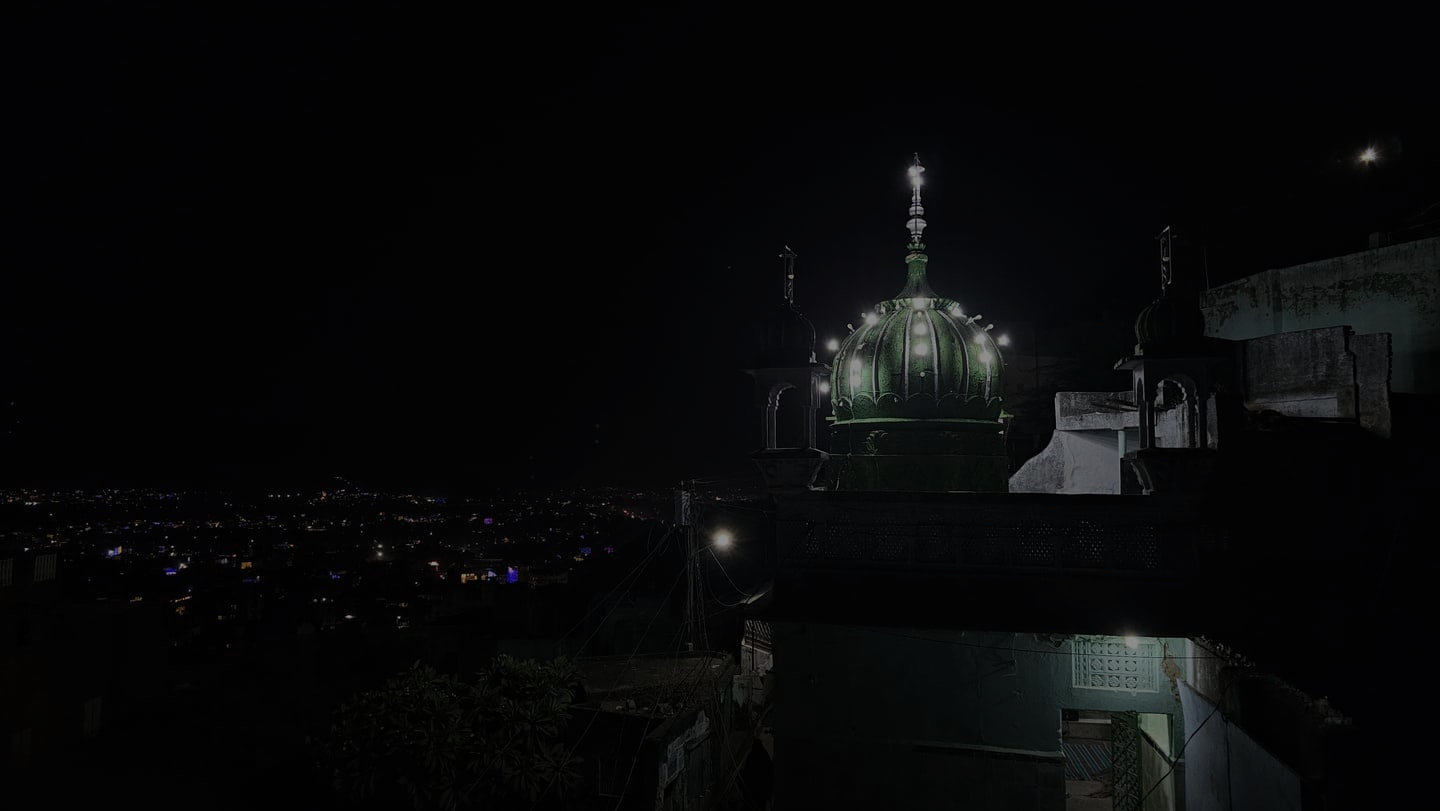
Today, millions of devotees revere him as the founder of Silsila Chishtiya Sabriya, and his shrine at Kalyar Sharif, near Haridwar (Uttarakhand, India), remains a radiant center of faith, healing, and guidance.
Every year, his Urs celebrations begin from the 1st of Rabi-ul-Awwal and continue throughout the blessed month, drawing seekers and pilgrims from all corners of the world.
Timeless Message
Hazrat Sabir Pak (RA) embodied the essence of sabr (patience), uncompromising service, and spiritual authority. His life is a beacon that teaches:
- Discipline in service brings Divine acceptance.
- True sainthood is obedience without compromise.
- The path of patience leads to spiritual majesty and mercy.
His mausoleum, standing by the banks of the Ganga, continues to shine as a testimony to his Divine love and spiritual power, welcoming seekers from every walk of life into the embrace of the Chishti Sabri tradition.
In essence: Hazrat Makhdum Alauddin Ali Ahmed Sabir Kalyari (RA) is not only a saint of remarkable jalāl and sabr but also the soul who planted the Sabri branch of the Chishti tree, whose fragrance continues to perfume the world.