
Introduction — The Pole of Delhi
Hazrat Qutbuddin Bakhtiyar Kaki (RA), born in 1165 CE (569 AH) in Ush, near Farghana (present-day Uzbekistan), is revered as one of the greatest Chishti saints and the spiritual successor of Khwaja Moinuddin Chishti (RA).
He is called “Qutbuddin” — the Pole of the Faith — because he was regarded as the spiritual axis of his time. The affectionate title “Bakhtiyar Kaki” came from a miraculous incident: it is said that whenever he ran out of food, unseen hands would provide him bread (kak) from the Unseen.
Settling in Delhi, he became the first great Chishti saint to make the city his home, transforming it into a centre of spirituality long before Nizamuddin Auliya. His shrine in Mehrauli, Delhi, remains one of the city’s oldest and most revered dargahs.
Early Life and Spiritual Inclination
From childhood, Bakhtiyar Kaki displayed extraordinary piety and inclination towards prayer. He memorised the Qur’an at an early age and immersed himself in Islamic sciences. Yet, what distinguished him most was his attraction towards the inner path of Sufism.
During his youth, he heard of Khwaja Moinuddin Chishti (RA), who had begun his mission in Ajmer. Inspired, he journeyed to Ajmer, placed himself in Khwaja Sahib’s service, and became one of his closest and most beloved disciples.
Discipleship Under Khwaja Gharib Nawaz (RA)
Khwaja Moinuddin Chishti (RA) trained Qutbuddin Bakhtiyar Kaki with deep affection, making him his khalifa (spiritual successor).
- He underwent long mujahadah (struggles of the soul), learning detachment from worldly desires.
- He absorbed the Chishti principles of service, humility, and compassion for all creation.
- Khwaja Sahib entrusted him with the mission of carrying the Chishti torch to Delhi, the emerging political and cultural capital of India.
Thus, Hazrat Qutbuddin became the crucial bridge between Ajmer and Delhi, preparing the ground for the next generations of Chishti saints.
Life in Delhi – The Khanqah of Simplicity
Arriving in Delhi, Hazrat Qutbuddin lived in Mehrauli, at that time a rural settlement. Unlike scholars who built institutions of power, he lived with utter humility:
- His khanqah was simple and open to all, rich and poor alike.
- He established langar, feeding all who came.
- He himself lived in poverty, often with nothing at home, relying only on Allah.
The miracle of “Kaki” became well known: when his household had no food, bread would miraculously appear, hence the title Bakhtiyar Kaki — the saint for whom bread came unseen.
Teachings and Philosophy
Hazrat Qutbuddin Bakhtiyar Kaki (RA) carried forward the message of his master, Khwaja Gharib Nawaz:
- Detachment from Rulers:
He refused royal patronage, saying spirituality cannot mix with the politics of kings. - Service to Humanity:
Feeding the hungry, helping widows and orphans, and welcoming everyone without distinction. - Silent Devotion:
He was known for his long periods of silence and absorption in prayer. - Humility:
He lived as though he owned nothing, teaching that poverty embraced for Allah’s sake is the highest wealth.
His spiritual gatherings were filled with sama‘ (devotional music), where seekers found their hearts opened to divine love.
The Story of His Passing
One of the most remarkable episodes of his life is connected to
his passing. During a session of sama‘ (qawwali), he became enraptured by
the verse:
“Those who die for love, live forever.”
Overwhelmed with spiritual ecstasy, he fell unconscious and never recovered. He passed away in 1235 CE (633 AH) in Delhi.
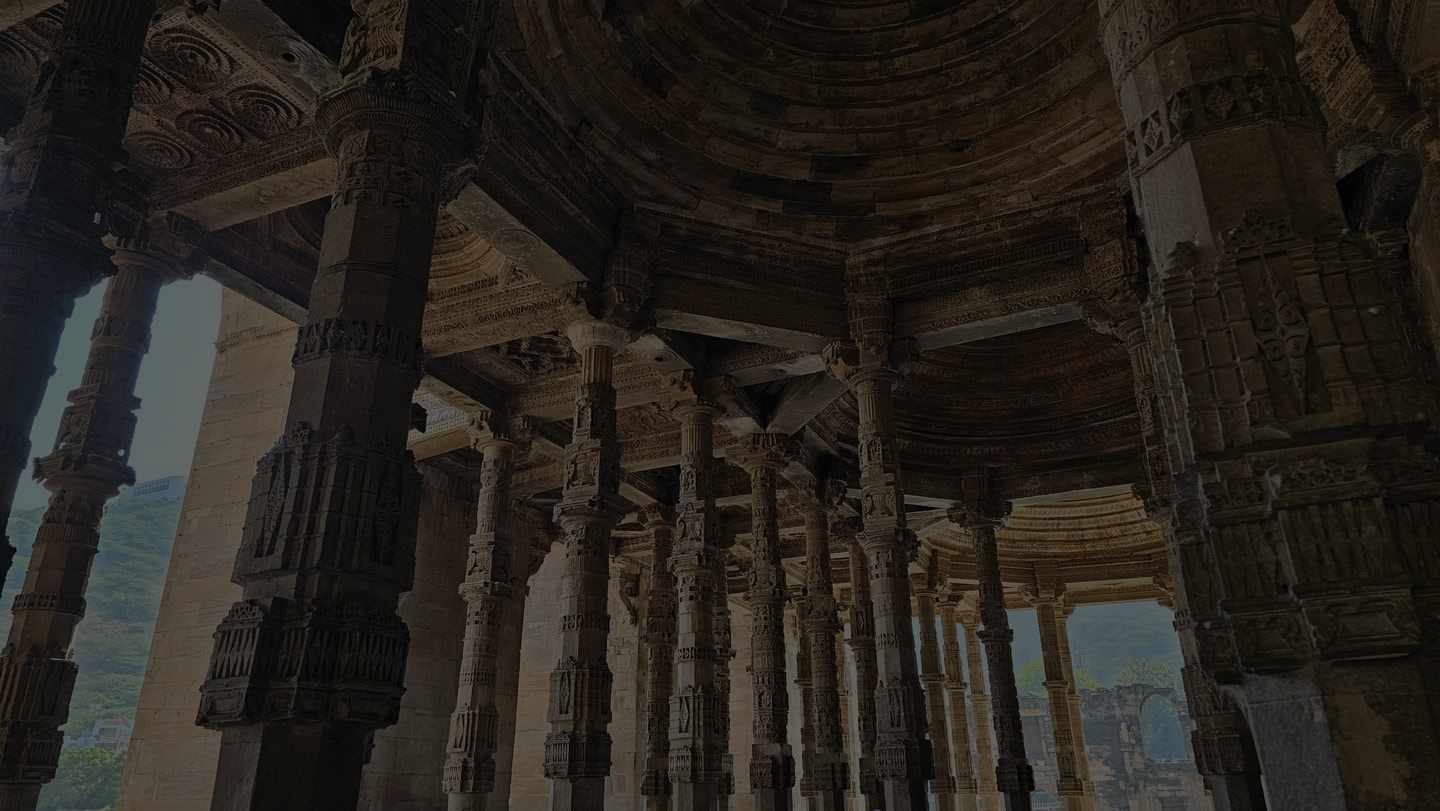
He was buried in Mehrauli, where his shrine still stands. The annual Urs of Bakhtiyar Kaki is among the oldest in Delhi, continuing to draw devotees across centuries.
Legacy
Hazrat Qutbuddin Bakhtiyar Kaki (RA) left behind a powerful legacy:
- Spiritual Lineage: He trained Baba Farid Ganj-e-Shakar (RA), who in turn trained Nizamuddin Auliya (RA), ensuring that the Chishti chain remained unbroken and vibrant.
- Delhi as a Spiritual Capital: By settling in Delhi, he made the city the heart of Chishti Sufism, a role it still holds.
- Model of Renunciation: His life of simplicity became an example for saints and seekers after him.
Through him, the Chishti order took root in India’s capital, from where it spread to every corner of the subcontinent.
Why Hazrat Qutbuddin Bakhtiyar Kaki Matters Today
For today’s global audience, Hazrat Qutbuddin’s life offers a profound lesson: that true richness lies not in possessions, but in faith, service, and reliance upon God. In a world of noise, his silence speaks volumes; in a world of greed, his detachment shines as guidance.
He was the hidden treasure of Delhi — a saint who owned nothing, yet gave everything.